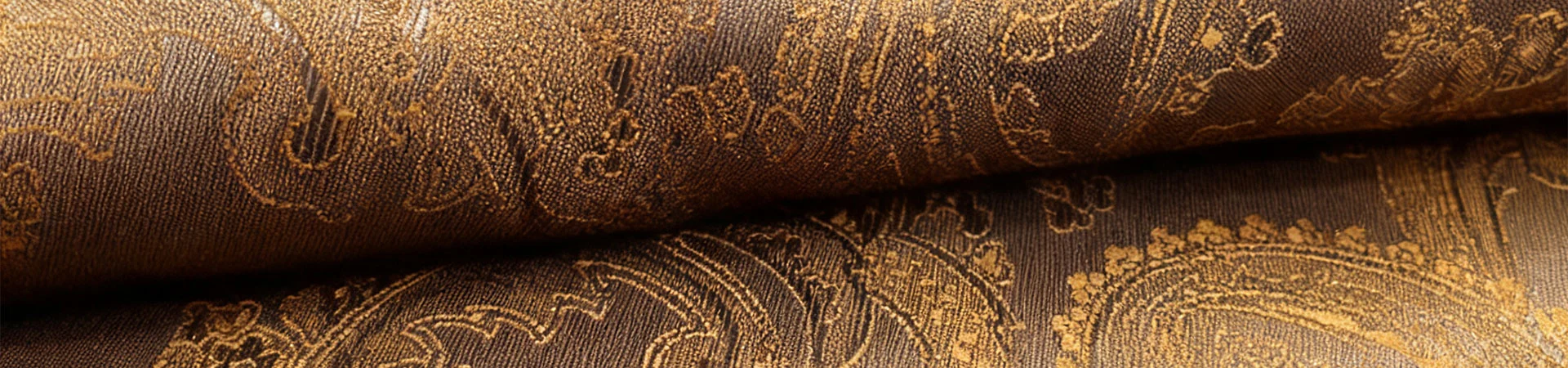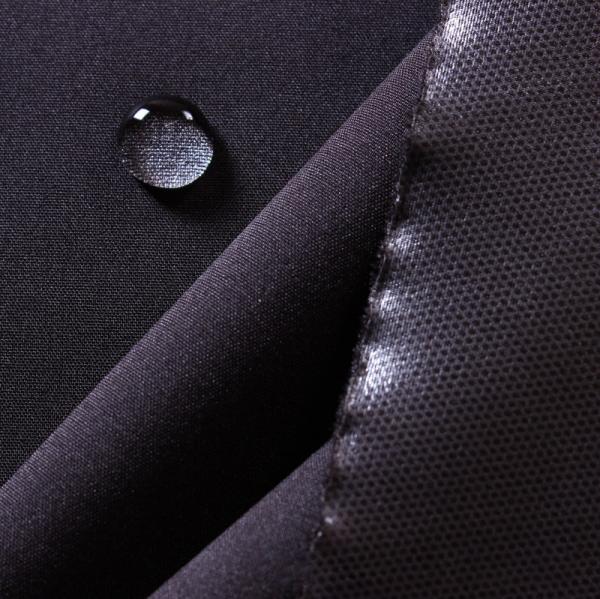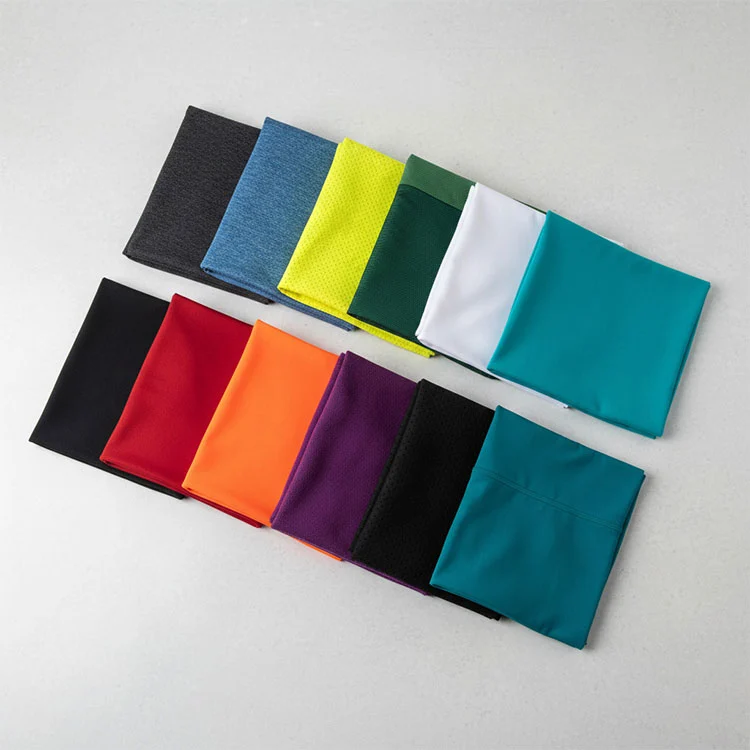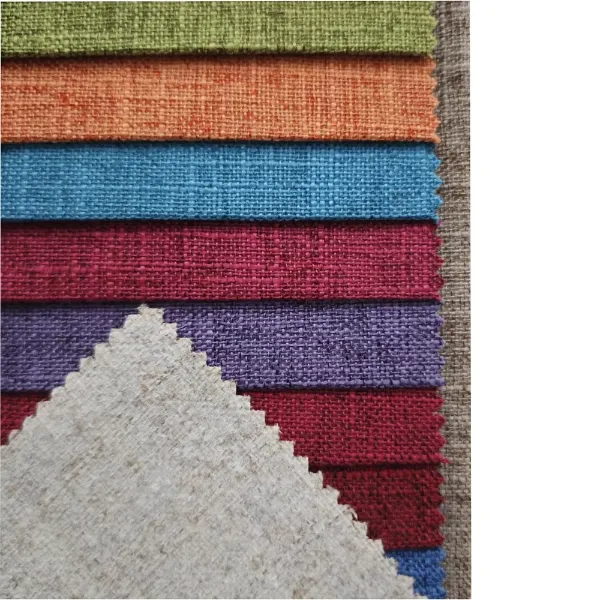
To begin, it is essential to understand what "twill" truly means. Twill refers to a weaving technique, not a material, and it can be applied to various fibers like cotton, silk, or wool. Its hallmark is the distinct diagonal rib pattern on the fabric's surface. This texture is created when the weft yarn passes over two or more warp yarns (in patterns like "two-up, one-down" or "three-up, one-down") during weaving.
This unique structure gives twill fabric several key advantages:
Superior durability: The tighter weave makes the fabric thicker and more resistant to wear and tear from daily friction.
Excellent wrinkle resistance: The twill structure naturally helps resist creasing, keeping garments looking neat.
Elegant drape: Compared to plain weaves, twill is generally softer and drapes better, offering a silhouette that is both structured and comfortable.
When the classic twill weave meets high-performance polyester fibers, Polyester Twill is born. As a synthetic fiber, polyester significantly boosts the fabric's practical qualities.
Core Advantages of Polyester Twill at a Glance:
| Property | Performance |
|---|---|
| Durability | Exceptionally strong, resistant to abrasion and tearing, suitable for daily, heavy wear. |
| Wrinkle Resistance | Outstanding, it retains a crisp appearance after washing with minimal to no ironing. |
| Easy Care | Machine washable, quick-drying, resistant to shrinking and fading, very low maintenance. |
| Stain Resistance | The tight weave combined with the fiber properties makes it less prone to absorbing stains. |
| Cost | Generally more affordable compared to pure cotton twill or natural fibers like wool. |
A common comparison is between polyester twill and its cotton counterpart. The right choice depends on your primary needs. Cotton twill is highly regarded for its breathability and soft, skin-friendly feel, making it the top pick for natural comfort. However, this comes with the trade-off of being prone to wrinkling, often requiring ironing, and offering slightly less abrasion resistance.
In contrast, polyester twill excels in durability, wrinkle resistance, and shape retention. If your lifestyle demands garments that are "wash-and-wear" and stay looking new for a long time, polyester twill is the more convenient option. It does, however, sacrifice some of the breathability found in natural fibers. Blended fabrics (like polyester-cotton twill) are also common, offering a balance between breathability and toughness.
From Shirts to Workwear: Where It Shines
Polyester twill's practical attributes make it an excellent choice for various clothing types. Its crisp appearance and resistance to wrinkling make it ideal for shirts, trousers, and skirts that need to maintain a professional look. Its superior durability and stain resistance also make it a preferred fabric for uniforms and workwear that undergo intensive use, such as in restaurants, hotels, or certain corporate settings. With its moderate weight and wind-resistant properties, it can be used for outerwear like trench coats and jackets. Additionally, its stiff and abrasion-resistant nature suits structured accessories like tote bags and hats.
Maintaining polyester twill fabric is straightforward, generally following the standard care routine for polyester textiles.
Washing: It is recommended to machine wash in warm or cold water with a mild detergent.
Drying: You can use a tumble dryer on a low or permanent-press heat setting.
Ironing: If needed, iron at a low temperature. Often, this step can be skipped due to the fabric's excellent wrinkle resistance.
Polyester twill shirt fabric represents a successful fusion of modern textile technology and classic weaving craftsmanship. It may not offer the natural breathability of pure cotton, but it provides a form of "affordable elegance"—maintaining a neat and polished appearance all day with minimal effort. For those who value efficiency, practicality, and long-lasting clothing, it remains a reliable and trustworthy option in any wardrobe.